
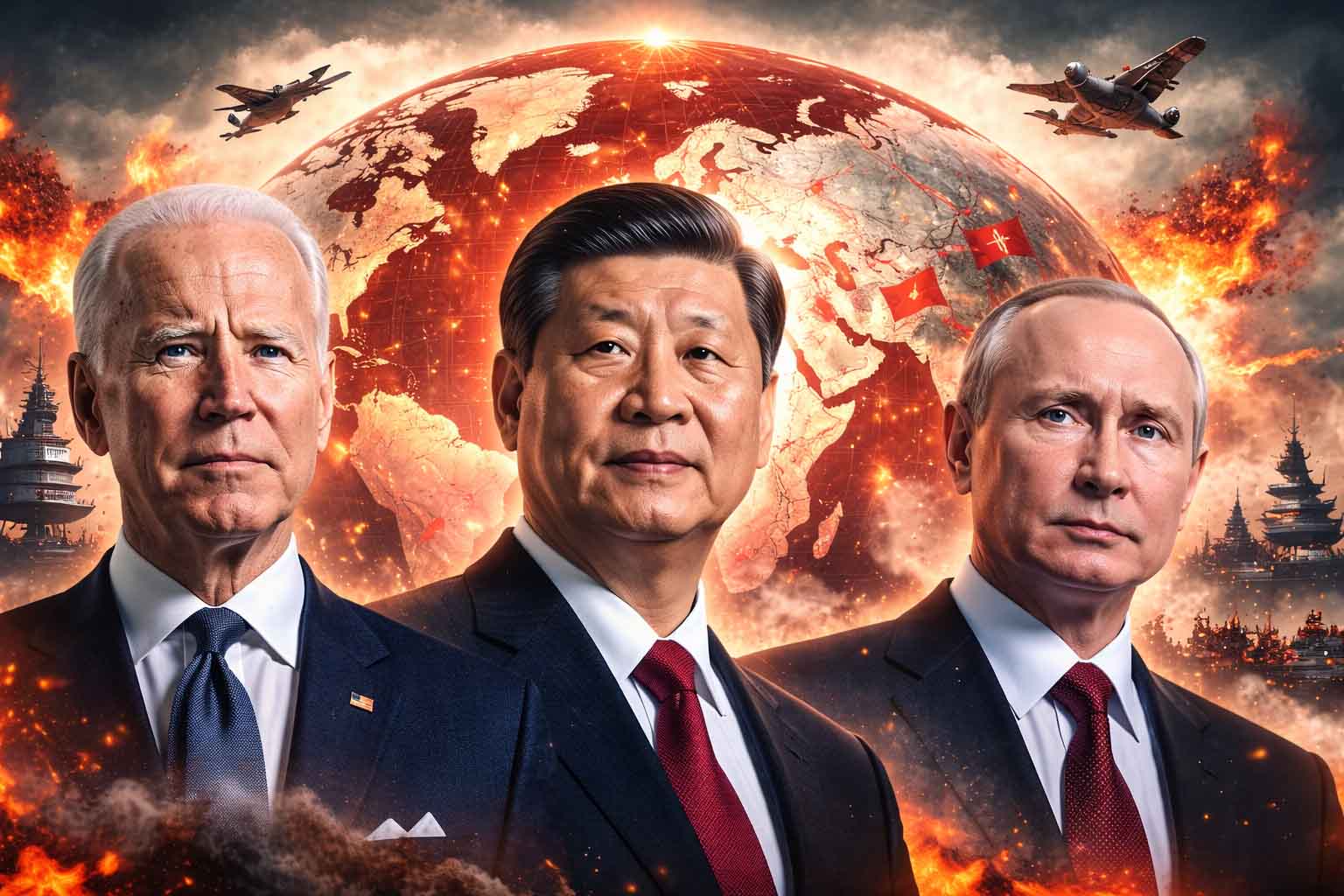
Global political tensions 2026 are rapidly increasing as major world powers face growing conflicts and diplomatic challenges. From regional disputes to economic rivalries, the global political landscape is becoming more complex and uncertain.
In recent months, tensions between leading nations have escalated due to disagreements over trade, security, and geopolitical influence. Countries are strengthening alliances while also increasing military preparedness, raising concerns about long-term global stability.
The United Nations and other international organizations have called for dialogue and peaceful negotiations. However, progress remains slow as competing interests continue to dominate global politics. Experts warn that without effective diplomacy, these tensions could impact international trade, security, and economic growth.
At the same time, elections and leadership changes in several countries are influencing foreign policies. New governments are reshaping strategies, which is adding further uncertainty to the global political environment. This shift is affecting international relations and cooperation on key global issues such as climate change and security.
Developing countries are also feeling the impact of these tensions, as they depend heavily on stable international markets and political cooperation. Rising conflicts can disrupt trade routes, increase energy prices, and create economic pressure.
Despite the challenges, analysts believe that diplomatic efforts can still reduce risks. If world leaders focus on cooperation and conflict resolution, the situation may stabilize in the coming months.
Overall, global political tensions 2026 remain a critical issue that continues to shape the future of international relations and global stability.