Qatar Rejects Iran’s Strait of Hormuz Fee Plan, Calls for Free Navigation and Regional Stability

Qatar Opposes Strait of Hormuz Transit Fee Proposal
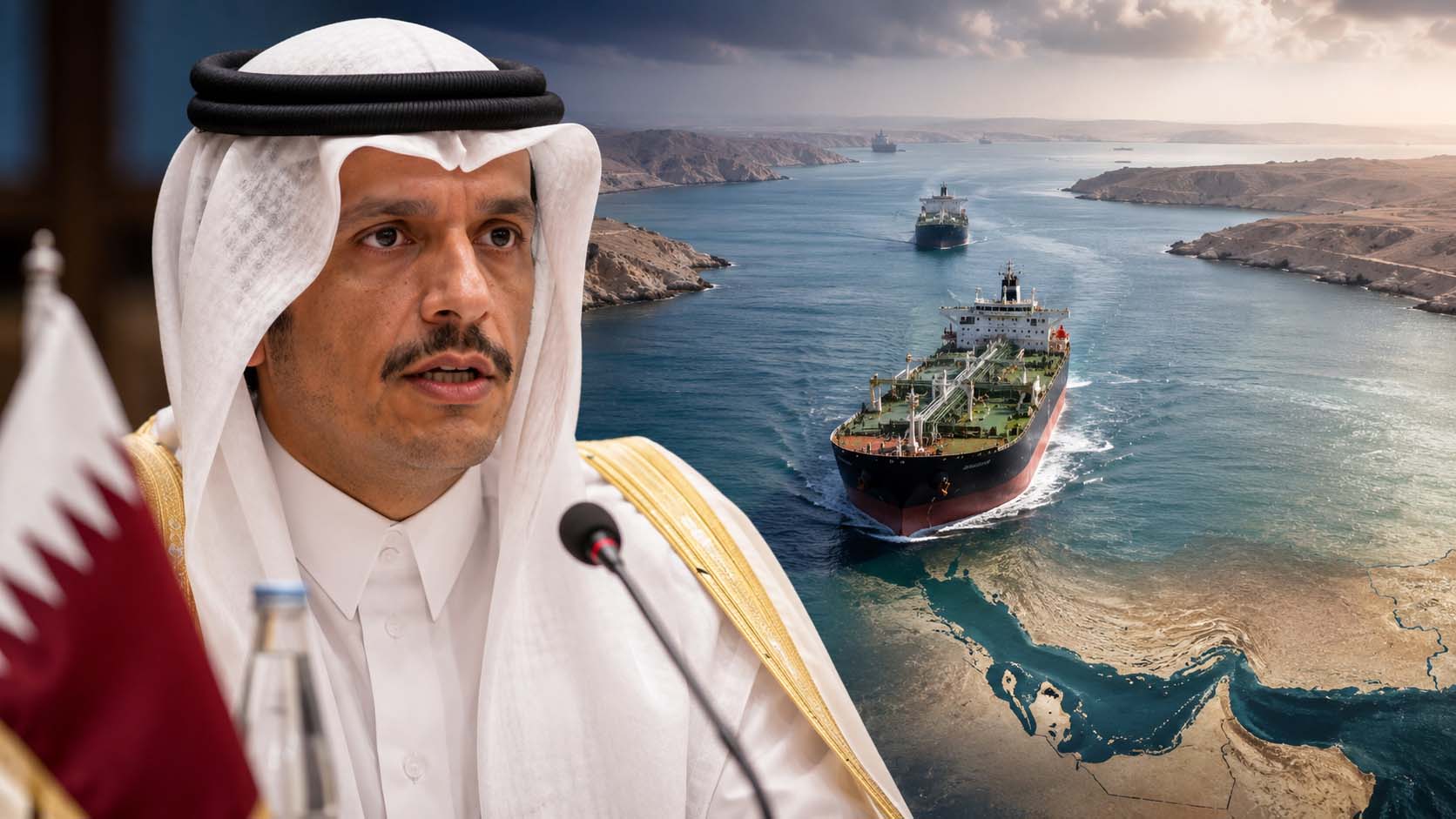
Doha: Qatari Prime Minister Sheikh Mohammed bin Abdulrahman Al Thani has announced that Qatar will not support any proposal aimed at charging vessels for passage through the Strait of Hormuz, one of the world’s most important shipping routes.
His statement comes at a time when regional tensions and maritime security concerns continue to attract international attention. The Strait of Hormuz remains a critical route for global oil and gas exports, making stability in the area essential for international trade.
US-Iran Communication Hotline Described as Important
The Qatari Prime Minister highlighted the significance of the communication mechanism established between the United States and Iran. According to him, the hotline plays a key role in reducing misunderstandings and preventing unnecessary escalation in the Gulf region.
He stated that direct communication can help avoid misinformation and reduce the risk of incidents that could threaten maritime security.
Warning Against Attempts to Undermine Stability
Sheikh Mohammed bin Abdulrahman Al Thani said there is concern that certain groups or actors may attempt to disrupt recent diplomatic progress in the region.
He stressed that any threats or reports involving commercial vessels should be properly verified through official channels. Transparency and communication, he noted, are necessary to maintain confidence among international shipping companies and regional partners.
Qatar Seeks Review of Any Future Proposal
The Qatari Prime Minister explained that if Iran formally presents a detailed model regarding transit charges, it would need to provide clear economic and legal justifications.
However, he made it clear that Qatar’s position remains focused on preserving free access to international waterways and protecting regional trade routes.
He emphasized that unrestricted maritime movement is vital for Gulf economies and for countries that depend on global shipping networks.
Importance of the Strait of Hormuz
The Strait of Hormuz is considered one of the most strategically important waterways in the world. A significant portion of global oil and liquefied natural gas exports passes through the narrow route every day.
Any disruption in the area can influence global energy markets, shipping costs, and international trade flows.
Experts say that maintaining stability in the Strait remains a top priority for countries across the Middle East and beyond.
Qatar Hopes for Return to Normal Maritime Activity
The Qatari leader expressed optimism that shipping operations and maritime traffic will gradually return to normal levels.
He stated that restoring confidence among international shipping operators is essential for economic recovery and regional development.
According to Sheikh Mohammed bin Abdulrahman Al Thani, maritime activities could return to pre-crisis levels within the coming weeks if stability is maintained.
LNG Production Recovery Linked to Regional Stability
Qatar also expects its liquefied natural gas sector to continue normalizing in the near future.
The Prime Minister explained that the pace of recovery will depend largely on the security situation in and around the Strait of Hormuz. A stable environment would support energy exports and strengthen confidence in global energy markets.
Conclusion
Qatar has firmly rejected any plan to impose fees on passage through the Strait of Hormuz and has reiterated its support for free navigation and regional stability. The country believes that diplomacy, communication, and cooperation remain the best tools for ensuring uninterrupted maritime trade and protecting global energy supplies.