Global Economic Slowdown 2026 Impacts World Markets

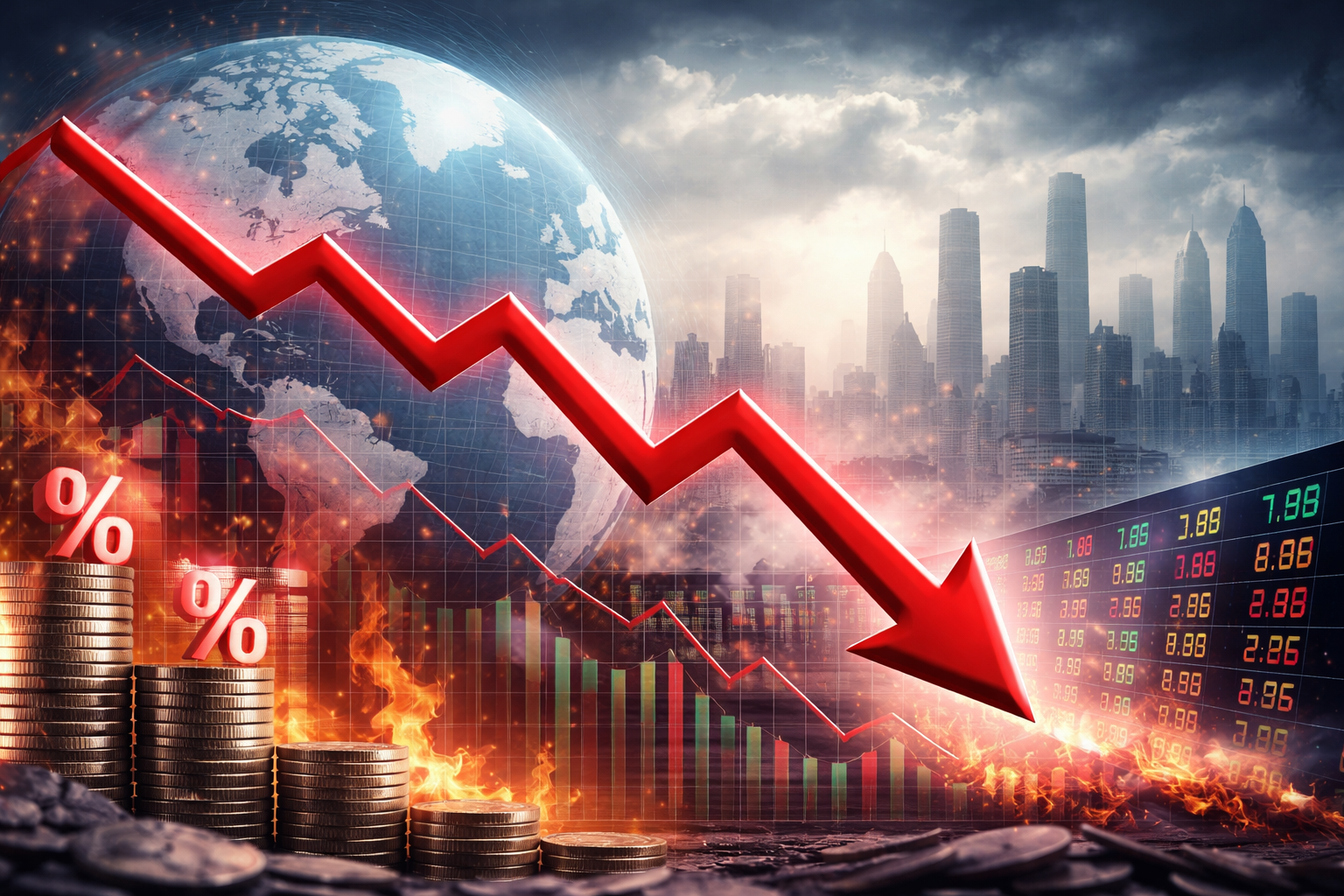
Global economic slowdown 2026 affects world markets as inflation rises and trade tensions grow, impacting global growth and financial stability.
The global economy is showing signs of a slowdown in 2026 as rising inflation, increasing interest rates, and growing trade tensions begin to affect major world markets.
Economists warn that the combination of these factors could lead to reduced economic growth across both developed and developing nations.
In recent months, central banks in the United States, Europe, and Asia have continued to raise interest rates in an effort to control inflation.
However, these measures have also made borrowing more expensive, slowing down business investments and consumer spending.
As a result, industries such as real estate, manufacturing, and technology are experiencing a noticeable decline.
At the same time, global trade tensions have intensified, particularly between major economies. Disputes over tariffs, supply chains, and energy resources are creating uncertainty in international markets.
Experts believe that if these tensions continue, they could further disrupt global trade and economic stability.
Developing countries are among the most affected, as they struggle with rising import costs and weakening currencies.
This has increased the risk of debt crises in several regions, raising concerns among international financial institutions.
Despite these challenges, some analysts remain cautiously optimistic. They suggest that if inflation is brought under control and diplomatic efforts reduce trade conflicts, the global economy could stabilize by late 2026.
Investors and policymakers are closely monitoring the situation, as decisions made in the coming months will play a crucial role in shaping the future of the world economy.